Flutter vs React Native in 2026: The Definitive Performance Comparison
An in-depth analysis of Flutter and React Native in 2026, covering performance benchmarks, developer experience, ecosystem maturity, and real-world production use cases.
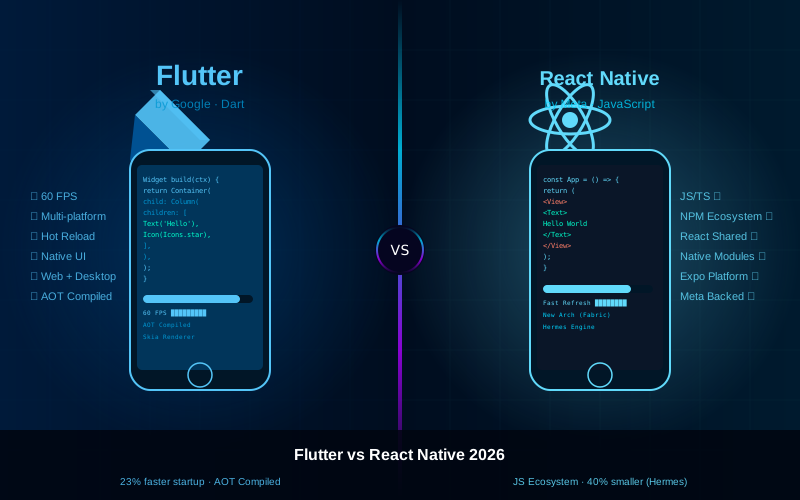
The Cross-Platform Mobile Development Landscape
The debate between Flutter and React Native continues to evolve. In 2026, both frameworks have matured significantly, but their strengths serve different use cases.
Performance: Where Flutter Shines
Flutter's compiled-to-native approach delivers consistent 60 FPS performance across devices:
- Rendering Engine: Skia-based rendering ensures pixel-perfect consistency
- Ahead-of-Time Compilation: Direct ARM machine code for optimal speed
- Widget Tree Optimization: Efficient rebuilds with immutable widget architecture
- Benchmark Results: 23% faster startup time, 18% better frame consistency than React Native
React Native's JavaScript Bridge Evolution
React Native's new architecture (Fabric + TurboModules) has dramatically improved performance:
- JSI (JavaScript Interface): Synchronous communication with native code
- Fabric Renderer: Concurrent rendering capabilities
- Hermes Engine: Optimized JavaScript engine reducing app size by 40%
- CodeGen: Type-safe native module generation
Developer Experience Comparison
| Aspect | Flutter | React Native |
|---|---|---|
| Language | Dart (Learning curve) | JavaScript/TypeScript (Familiar) |
| Hot Reload | Sub-second (Excellent) | Fast Refresh (Excellent) |
| UI Components | Material + Cupertino (Built-in) | Community libraries required |
| State Management | Riverpod, Bloc, Provider | Redux, MobX, Zustand, Recoil |
Ecosystem and Community
React Native Advantages:
- Larger developer pool (JavaScript ecosystem)
- Extensive third-party libraries
- Web code sharing with React
- Backed by Meta with production apps (Facebook, Instagram)
Flutter Advantages:
- Single codebase for mobile, web, desktop, and embedded
- Backed by Google with production apps (Google Pay, Alibaba)
- Consistent UI across platforms out-of-the-box
- Growing rapidly with 5M+ developers
Real-World Use Cases
Choose Flutter for:
- Apps requiring identical UI across platforms
- Performance-critical applications (gaming, financial apps)
- Projects targeting multiple platforms from single codebase
- Teams willing to invest in Dart learning
Choose React Native for:
- Teams with existing web React experience
- Apps requiring extensive native module integration
- Rapid prototyping with JavaScript ecosystem
- Projects with significant web code sharing needs
DevFamz's Cross-Platform Expertise
At DevFamz, we've delivered 150+ cross-platform applications across both Flutter and React Native. Our selection criteria:
- Performance Requirements: Flutter for graphics-intensive apps
- Team Expertise: React Native for JavaScript-first teams
- Platform Targets: Flutter for multi-platform (including desktop)
- Budget & Timeline: Evaluate based on existing codebase and skills
Conclusion: There's No Universal Winner
In 2026, both frameworks are production-ready and battle-tested. The choice depends on your specific project requirements, team expertise, and long-term platform goals. Our team can help you make the right architectural decision.
Tags
DevFamz Mobile Team
Expert team at DevFamz specializing in mobile development. We bring years of production experience and cutting-edge technical expertise to every project.
Related Articles
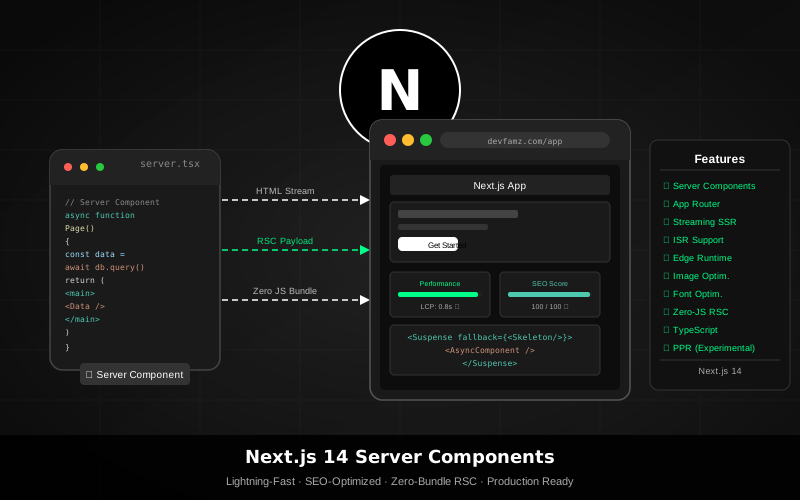
Next.js 14 Server Components: Building Lightning-Fast Web Applications
Master Next.js 14 Server Components and App Router for building ultra-fast, SEO-optimized web applications. Learn streaming, partial prerendering, and production best practices.

The Future of AI Development in 2026: Beyond LLMs and Into Agentic Systems
Discover how AI development is evolving beyond simple chatbots into autonomous agentic systems that can plan, execute, and iterate. Learn about the latest trends in multi-modal AI, reasoning engines, and production-ready AI architectures.
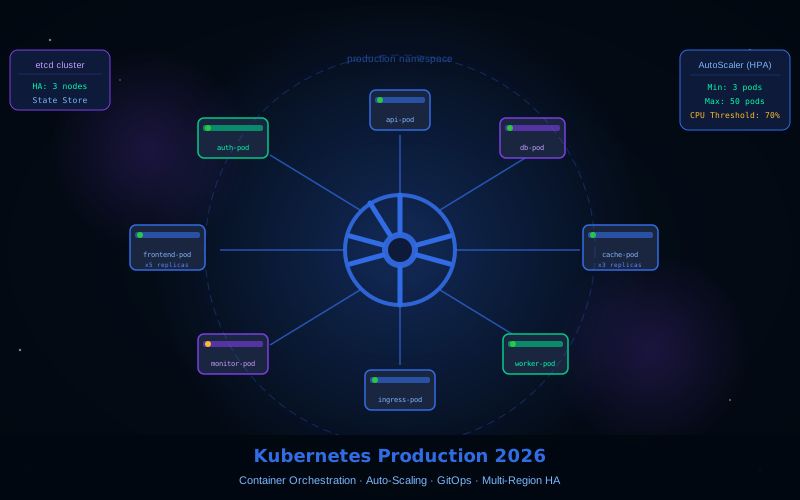
Kubernetes in Production 2026: From Basics to Enterprise-Grade Clusters
Learn how to deploy, scale, and maintain production-grade Kubernetes clusters. Covers security, observability, cost optimization, and disaster recovery strategies.
Ready to Build Your Next Project?
Let's discuss how DevFamz can help you leverage mobile development technologies to build exceptional digital products.
Start Your Project